
Struggling to turn your visitors into loyal customers? Your newsletter is more than just another marketing task—it’s your direct line to your audience, a personal conversation happening right in their inbox. The goal is to craft something your subscribers actually want to open. When you learn how to write a newsletter that connects, you transform your email list from a simple contact sheet into your most powerful tool for driving repeat business and building a brand people love.
Why Your Newsletter Is Your Most Powerful Sales Tool
Before we jump into the “how-to,” let’s talk about the massive opportunity waiting in your subscribers’ inboxes. A well-written newsletter isn’t just an email; it’s a conversation and your single best channel for building a brand that your customers connect with on a deeper level.
In a world of ever-changing social media algorithms, your email list is one of the few assets you truly own. It’s your most reliable channel for bringing customers back again and again, turning them into advocates who feel like they’re part of your brand’s journey.
The Newsletter Boom Is Real
There’s a reason newsletters are exploding in popularity. Between 2023 and 2024 alone, the number of active newsletters nearly doubled, jumping from around 26,911 to 52,809. This makes perfect sense when you realize there are over 4.5 billion email users worldwide—a figure projected to hit 4.8 billion by 2027.
This isn’t just background noise; it’s a clear signal. People are craving curated, valuable content sent directly to them. For your Shopify store, this is your chance to:
- Build Real Relationships: A social media post has a shelf life of a few hours. A newsletter sits in the inbox, creating a consistent, personal touchpoint that builds trust over time.
- Drive Smarter Sales: You can segment your list to send hyper-relevant offers to the right people at the right time. For example, a Shopify store that segments its audience by purchase history can see a 15% lift in email revenue. Your promotions suddenly feel less like ads and more like helpful recommendations.
- Own Your Audience: You’re not renting space on another platform. This list is yours. It’s a direct line to your most valuable and engaged customers, no algorithm required.
Actionable Tip: Think of your newsletter as the heart of your customer retention strategy. It’s the space where you turn one-time buyers into loyal fans who are genuinely excited to see what you do next.
Ultimately, your newsletter is a critical tool for guiding customers through your sales process. By consistently delivering value, you’re nurturing relationships and moving people closer to making a purchase. It’s essential to see how this fits into the bigger picture of your customer’s journey, which you can explore further in our guide to the eCommerce marketing funnel. Your newsletter is the engine that will power every single stage.
Building Your Newsletter Strategy from the Ground Up
A winning newsletter doesn’t just happen. It’s built on a solid foundation, planned out long before you ever type a single word. Think of your strategy as the blueprint for your store’s growth—get it right, and everything else falls into place. Skip this step, and you’re just sending emails into the void.
So, before we get into writing catchy subject lines, you need to answer one crucial question: What are you trying to achieve?
Step 1: Define Your Newsletter’s #1 Goal
Every single email you send needs a clear purpose. If you don’t know why you’re sending it, your subscribers won’t know why they should open it. Resist the urge to do everything at once. Instead, pick one primary goal to keep your message sharp and effective.
What’s your main objective?
- Drive sales? This is your classic approach: feature a specific product, run a flash sale, or drop an exclusive discount code to get an immediate revenue lift.
- Launch something new? Your newsletter is the perfect place to build buzz and give your most loyal fans the first look at your latest collection.
- Build a community? Go beyond the hard sell. Share your brand’s origin story, offer a behind-the-scenes peek, or showcase customer photos. Make subscribers feel like they’re part of an exclusive club.
- Educate and add value? Position yourself as an expert. Share helpful content like, “How to Style Our New Linen Blazer” or “5 Mistakes to Avoid When Caring for Leather Goods.”
Once you’ve locked in your primary goal, every piece of content—from the headline to the call-to-action—should support it. This clarity makes writing so much easier.
Step 2: Know Exactly Who You’re Talking To
Generic emails are destined for the trash folder. To truly connect, you have to know who’s on the other end. Create a simple subscriber persona—a quick sketch of your ideal customer.
Give them a name, a job, and a few personality quirks. What are their pain points? What gets them excited? For instance, if you sell high-performance running gear, your persona might be “Marathon Mike,” a 35-year-old training for his next big race. He’s obsessed with quality and gear that gives him an edge.
When you sit down to write, you’re not writing to a list. You’re writing to Mike. What subject line will grab his attention? This little mindset shift is a game-changer. It turns a marketing blast into a real conversation.
Step 3: Pick Your Tools and Set a Rhythm
Next up, you need the right tech. There are dozens of fantastic email marketing platforms that integrate perfectly with Shopify, like Klaviyo, Mailchimp, and Omnisend. My advice? Find one with a user-friendly interface and powerful segmentation tools—this will be your secret weapon.
Finally, get on a schedule. Here’s the secret: consistency beats frequency every time. Whether you decide on a weekly, bi-weekly, or monthly send, stick with it. Your subscribers will learn when to expect your emails and, if you do it right, even start looking forward to them. For most Shopify stores, sending once a week is a great starting point. It’s enough to stay top-of-mind without becoming inbox clutter.
Creating Content That Connects and Converts
This is where the magic happens. With your strategy locked in, it’s time to breathe life into your brand and create the stories, images, and offers that will make subscribers genuinely excited to see your name in their inbox.
Let’s start where your reader does: the subject line. This tiny snippet of text does a monumental amount of work. In fact, research shows that 35% of subscribers decide whether to open an email based on the subject line alone. Your mission is to make it absolutely irresistible.
The Art of the Unskippable Subject Line
A great subject line is a perfect blend of clarity, curiosity, and urgency. It’s a promise of what’s inside, and you have to deliver. So, ditch the generic “Weekly Update” and get personal.
Here are a few proven formulas you can use right now:
- Ask a Question: “Is Your Wardrobe Ready for Spring?”
- Create Urgency: “Last Chance: Your 20% Off Ends Tonight”
- Spark Curiosity: “Our Biggest Mistake (and What We Learned)”
- Highlight a Benefit: “The Secret to a Perfect Night’s Sleep”
Actionable Tip: Don’t underestimate the power of emojis. Adding one to your subject line can boost open rates by as much as 56%. It helps your email stand out in a sea of text and injects personality, just make sure it feels true to your brand.
The Anatomy of a High-Converting Newsletter
Once they’re in, the real work begins. A winning newsletter has a natural flow that guides your reader smoothly from your opening line to that all-important call-to-action (CTA).
- The Magnetic Hook: Pull them in immediately with a strong opening. A personalized greeting (“Hey, [First Name]”) followed by a clear statement of what’s in it for them.
- The Valuable Middle: This is the heart of your email where you deliver the goods. Mix it up with a behind-the-scenes story, a glowing customer testimonial, or a spotlight on a new arrival. Always use crisp, beautiful visuals to break up the text. Just like TryIcona helps customers visualize products before they purchase, your images should help them imagine using your products in their own lives.
- The Crystal-Clear CTA: Finally, tell them exactly what to do next. Be direct. Use a bold, action-focused button like “Shop the Collection” or “Claim Your Discount.” Vague phrases like “click here” just don’t cut it. Make their next step obvious.
For any Shopify store, that final CTA is what separates a reader from a buyer. The entire email should build momentum toward that one click. If you need inspiration for win-back campaigns, check out these powerful abandoned cart email examples to see what works.
Your Weekly Newsletter Content Blueprint
To avoid the “what should I write this week?” panic, have a plan. The goal is to build a relationship, not just push sales. A balanced approach keeps your subscribers hooked.
Use this balanced content plan to keep your Shopify subscribers engaged and ready to buy, ensuring you provide value beyond just sales pitches.
| Content Type | Purpose | Frequency (Example for a weekly newsletter) |
|---|---|---|
| Promotional/Sales | Drive immediate revenue with offers, new arrivals, or sales. | 1-2 times per month. This is your direct ask—use it wisely to avoid fatiguing your audience. |
| Educational/Value | Build trust by sharing tips, how-to guides, or industry news. | 1-2 times per month. Think “5 Ways to Style a White Tee” or “Behind the Scenes of Our Design Process.” |
| Community/Story | Create a human connection with user-generated content, stories. | 1 time per month. Feature customer photos, share your brand’s origin story, or introduce your team. |
| Engagement/Feedback | Gather insights and make subscribers feel heard and valued. | Occasionally, as needed. Run a poll, ask for reviews, or survey them on what they want to see next. |
By following a simple blueprint like this, you’ll craft newsletters that not only resonate with your audience but also consistently drive real results for your store.
Making Every Email Feel Personal
The era of the generic email blast is over. Your customers are smart, and your success depends on making each subscriber feel like you wrote that email just for them. It’s not about being intrusive; it’s about being incredibly relevant. This is what transforms a good newsletter into a revenue-generating machine.
The big idea here is simple: instead of shouting at a crowd, you’re having a quiet conversation with small, specific groups. This is called segmentation, and it’s your secret to making emails feel personal.
Start Grouping Your Subscribers
You can start segmenting right away with the data you already have in Shopify. Slicing up your audience into meaningful groups lets you send content that hits home because it’s tailored to their interests and history with your brand.
Here are a few powerful segments you can create today:
- Purchase History: Group customers who bought from a specific collection. Did someone buy a dress? They’re the perfect audience for an email featuring matching shoes.
- Website Behavior: A Shopify store that added an exit-intent popup and targeted visitors who viewed specific product categories increased signups by 32%. A gentle follow-up email featuring that exact item can work wonders.
- New Subscribers: Roll out the red carpet! A warm welcome series with an introductory offer can make an amazing first impression and boost first-time purchases by up to 50%.
- Loyal Customers: Show your VIPs some love. Give them early access to new drops, exclusive content, or a special discount as a thank-you.
The data is clear: sending a targeted campaign to a segmented list can increase revenue by an incredible 760%. If you do one thing to boost your newsletter’s ROI, make it this.
Using Data to Craft Perfect Offers
Once you have your segments, the fun begins. Now you can craft messages that speak directly to what each group cares about.
Imagine sending an exclusive offer for a product someone was just looking at on your site yesterday. That’s powerful. If you sell clothes, you could segment customers by the sizes they’ve purchased before and notify them personally when those sizes are back in stock. This proves you’re paying attention and that you value their business.
This isn’t just a fleeting trend. The future of email marketing is all about this kind of hyper-personalization, as we’re seeing in the top newsletter trends for 2025. To really get this working at scale, check out our guide to the best eCommerce personalization tools. By making every email feel like a one-on-one conversation, you’re building the kind of trust that turns casual subscribers into customers for life.
Measuring What Matters and Optimizing for Growth
You can’t improve what you don’t measure. Writing a great newsletter is one thing, but understanding why it’s working is what separates the top-tier Shopify stores from the rest. This is where you put on your data detective hat and start turning guesses into smart, revenue-driving decisions.
When you hit “send,” your email platform gives you a treasure trove of data. Let’s cut through the noise and focus on the metrics that actually move the needle for your business.
Decoding Your Key Newsletter Metrics
Think of these numbers as the vital signs for your email strategy. They tell you exactly where you’re winning and where you can improve.
- Open Rate: The percentage of people who opened your email. It’s a direct reflection of your subject line’s power. A low open rate is a signal that your subject lines aren’t grabbing attention.
- Click-Through Rate (CTR): How many people clicked at least one link in your email. A healthy CTR means your content and offers were compelling enough to make someone take the next step.
- Conversion Rate: This is the big one—the percentage of subscribers who clicked a link and then made a purchase. This metric ties your newsletter directly to your sales, proving its ROI.
Remember: these metrics tell a story together. A huge open rate is great, but it’s just a vanity metric if no one clicks. A high click-through rate is exciting, but if it doesn’t lead to sales, it might be time to look at your landing pages or the offer itself.
The Simple Power of A/B Testing
One of the most effective ways to boost your numbers is through A/B testing. It sounds technical, but it’s simple: you create two versions of the same email (A and B), change just one single thing, and see which one performs better.
Your subject line is the perfect place to start. For example:
- Version A: “Our New Spring Collection is Here! 🌸”
- Version B: “Get 20% Off Your First Spring Look ✨”
Send Version A to a small part of your list and Version B to another. Whichever subject line gets more opens is the winner, and you send that version to everyone else. You can test anything: your CTA button text, the images you use, or even the time you send the email. This consistent testing is how you learn how to write a newsletter that truly connects with your audience.
This infographic breaks down the core pillars of a data-driven personalization strategy that powers higher engagement.
It highlights how tracking purchase history, understanding site activity, and creating targeted offers all work together to create a winning formula. The data doesn’t lie: 78% of marketers plan to use email in their multichannel approach in 2025. Even more telling? With 57% of marketers now tailoring content based on user behavior, personalization is no longer just a nice-to-have—it’s essential for growth. You can dig into more eye-opening numbers in the latest email marketing statistics at Hostinger.
Your Newsletter Questions Answered
Let’s dive into some of the questions I hear all the time from Shopify merchants. This is where we clear up the confusion and get straight to the practical advice that will help you grow your email list.
How Often Should I Email My Customers?
The key here is consistency over frequency. It’s far better to send one fantastic, thoughtful email every week than to spam your list with three rushed ones.
For most online stores, a great rhythm to start with is once a week or every two weeks. Find a pace you can stick to without burning out. Pay close attention to your open and unsubscribe rates. If you suddenly ramp up sending and see a spike in people leaving, that’s your audience telling you to ease up. Let their actions be your guide.
What Is the Best Length for a Newsletter?
Think short, scannable, and respectful of your customer’s time. They’re juggling a million things, and they’re likely reading your email on their phone.
Get right to the point. A sharp headline, a quick intro that hooks them, and two or three main content sections with great visuals and obvious buttons. For most newsletters, 200-400 words is plenty.
The goal isn’t to write a novel. It’s to deliver a quick hit of value and get them excited enough to click back to your store. Use bold text, short paragraphs, and bullet points to make everything easy to scan.
What’s the Best Way to Get More Subscribers?
You have to offer something genuinely irresistible. Just asking for an email isn’t enough anymore—you need to give them a compelling reason to say yes.
A well-timed popup on your Shopify store is still one of the most effective tools for lead capture. But the offer has to be good. Try one of these:
- A 10% discount on their first purchase is a classic for a reason.
- Free shipping can be a powerful trigger for shoppers on the fence.
- An exclusive guide or another piece of valuable content they can’t find anywhere else.
Make sure you also have signup forms in smart places, like your website footer and order confirmation page. And don’t forget to create a little FOMO on your social channels by talking about the exclusive perks your subscribers get. Make people feel like they’re missing out if they aren’t on the list.
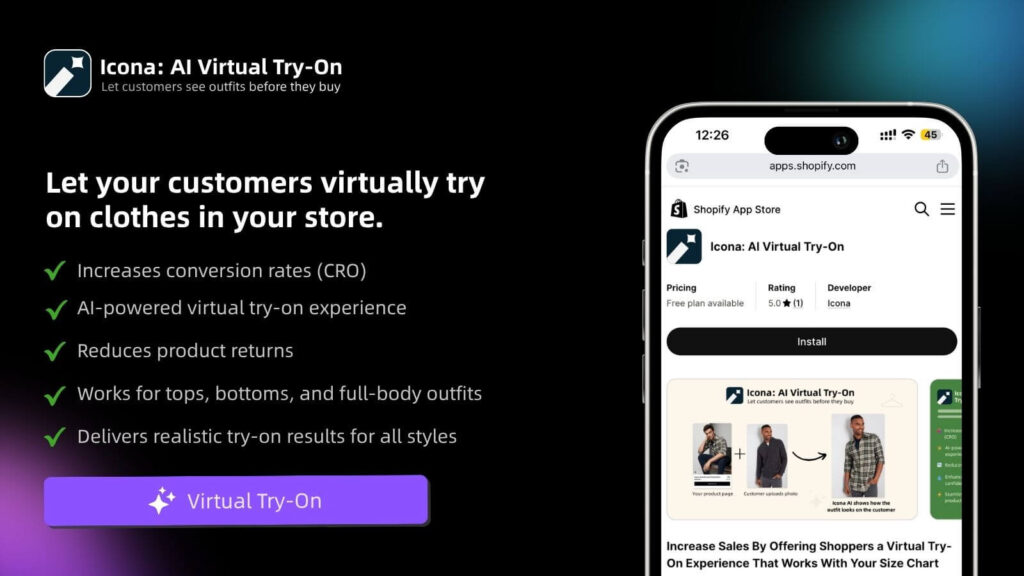
Ready to turn those newsletter clicks into confident purchases? TryIcona adds a virtual try-on button to your product pages, letting shoppers see how your apparel looks on their own bodies. It’s the ultimate conversion booster for your Shopify store. Start your free trial