

We’ve all seen them. The bland, one-line reviews that just sit there. “Great product!” or “Fast shipping!” Sure, they’re nice to see on your Shopify store, but they don’t move anyone. They don’t paint a picture or create that gut-level trust that turns a hesitant browser into a confident buyer.
But what if your customer feedback could do more? What if it could become your most convincing sales copy?
In 2025, we’re all drowning in slick, polished marketing. An authentic voice—a real story from a real person—cuts right through the noise. This isn’t just about adding a “social proof” badge to your site; it’s about building the foundation of trust for a modern brand. A genuine customer story will almost always outperform ad copy you could write yourself.
Your Customers Are Your Best Copywriters
The real magic happens when you stop thinking about testimonials as just quotes or star ratings. Start seeing them for what they are: mini-stories. Every great testimonial has a beginning (the customer’s challenge), a middle (how your product came to the rescue), and an end (the awesome result).
The best testimonials don’t just tell you a product is good. They show you how it made someone’s life easier, better, or more exciting. That’s the emotional hook that truly sells.
This storytelling approach builds a powerful, self-sustaining cycle of trust. When a potential customer reads about someone just like them who solved the exact same problem with your product, it doesn’t feel like a sales pitch. It feels like getting a great recommendation from a friend.
Before we dive into how to get these stories, let’s break down what a truly powerful testimonial looks like. It’s not just a happy quote; it’s a strategic asset.
The Anatomy of a High-Impact Testimonial
| Component | Why It Matters | Example Snippet |
|---|---|---|
| The “Before” State | Sets the scene and establishes a relatable problem. Shoppers see themselves in the story. | “My skin was always so dry and flaky, especially in winter. I’d tried everything…” |
| The “Aha!” Moment | Pinpoints the discovery of your product and the decision to try it. | “…then a friend recommended this serum. I was skeptical, but the ingredients looked amazing.” |
| The “After” State | Reveals the specific, tangible results and benefits the customer experienced. | “Within a week, my skin felt completely different. It’s now so hydrated and has this healthy glow.” |
| Emotional Impact | Describes how the result feels. This is where the real connection happens. | “I feel so much more confident going out without makeup now. It’s been a total game-changer.” |
| A Specific Detail | Adds a memorable, authentic touch that makes the story feel real and unscripted. | “I especially love the subtle citrus scent—it makes my morning routine feel like a little luxury.” |
A testimonial that includes these five elements isn’t just a review; it’s a complete narrative that walks a new visitor from doubt to desire.
Why Shoppers Trust Other Shoppers
This isn’t just a gut feeling; shopper behavior backs it up. People actively hunt for the experiences of others before they buy, especially online where they can’t physically hold or try out a product.
And the good news? Your customers are often more than happy to share. A recent study found that 60% of customers have posted a business review in the last year when a brand simply asked them to. This proves people are ready and willing to share their stories. You just need to create the opportunity. You can learn more about these customer service trends and see for yourself how eager your audience is to become part of your brand’s story.
The Art of Asking for Powerful Testimonials
Getting incredible testimonials isn’t about blasting a generic email to your entire customer list. That’s like fishing with an empty hook. The real art lies in asking the right person, at the perfect moment, with the right questions. It’s a thoughtful, personal approach that makes your customer feel genuinely appreciated, not just used for marketing.
This process is what transforms a simple review into a compelling narrative of story, trust, and ultimately, growth for your brand.
As you can see, it all starts with one person’s story. That story builds the trust needed to convince new buyers, which is the engine that fuels sustainable growth.
Your best advocates are often hiding in plain sight. They’re the customers who just had a fantastic support experience, the ones who tag your brand on social media, or those who recently left a 5-star rating without any prompting. These are your people.
Timing is Everything
Imagine asking for a review right after a shipping delay. Not a great look, right? The key is to connect with customers when they are at their moment of peak happiness with your brand.
Here are a few golden opportunities to reach out:
- Post-Purchase Delight: Wait a week or two after their product has arrived. Give them time to unbox it, use it, and fall in love with it.
- Right After a Compliment: Did a customer email you with praise or leave a high NPS score? That’s your cue to ask if they’d share their thoughts more publicly.
- Following a Repeat Purchase: A second or third purchase is a massive signal of loyalty and satisfaction. They’ve already voted for you with their wallet—again.
Strategic timing makes your request feel like a natural continuation of a great experience, not an awkward, out-of-the-blue ask.
Ask Questions That Uncover the Story
A great testimonial is born from great questions. Instead of just asking, “Would you leave us a review?”—which usually gets you a generic “I loved it!”—guide them toward the story. Your real goal is to uncover the emotional ‘before and after.’
Don’t just ask for a review. Ask for their story. This simple shift in framing changes everything, turning a bland comment into a relatable journey another shopper can see themselves in.
When you ask targeted, open-ended questions, you make it easy for customers to give you the detailed, compelling feedback you need. For more powerful insights, you can learn more about optimizing your client testimonial form to truly capture the voice of your customer.
This approach doesn’t just get you better content; it actually reinforces the positive experience they had. It creates a powerful feedback loop. After all, customers who have a positive experience spend 140% more than those who have a negative one. By turning a happy moment into a testimonial, you’re cementing that loyalty. Asking for their story isn’t just marketing—it’s smart business.
How to Write Testimonials with Integrity
You’ve got it. That glowing piece of feedback from a happy customer—the kind that makes you do a little happy dance at your desk. Now what?
The next step is a delicate art: polishing their words without losing the magic. It’s a fine line between fixing a typo and accidentally rewriting their story into something that sounds like it came from your own marketing department.
Your goal is to make their praise easy to read while keeping the raw, authentic energy that makes it so believable in the first place. Think of yourself as a careful editor, not a ghostwriter. The power of a testimonial is in its genuine voice; your job is just to make sure that voice comes through loud and clear.

This isn’t about putting words in their mouth. It’s about framing their praise for maximum impact so it connects instantly with new visitors scrolling through your site.
Polishing The Story Ethically
So, where’s the line between helping and altering? The truth is, light editing is not only acceptable but often necessary. No one wants to read a review riddled with spelling mistakes or a single, rambling paragraph that never seems to end.
Your customers are busy people, not professional copywriters, and that’s perfectly fine. Here’s what you can, and should, do to help their message shine.
- Correct typos and grammar: This is a no-brainer. Fix obvious spelling errors and grammatical mistakes that could distract a potential buyer.
- Trim for clarity and punch: Got a long, winding sentence? Cut it down. Focus on the most powerful parts of their feedback and trim the rest. Get right to the good stuff.
- Format for scannability: Break up long walls of text. Use bolding to pull out key phrases or incredible results, like “slashed my return rate by 20%” or “literally the softest fabric I’ve ever felt.”
What you should never do is change the customer’s original intent. Don’t add details they didn’t provide or exaggerate their claims. The moment a testimonial feels scripted, it loses all its conversion power.
The Golden Rule: Always Get Final Approval
This is the most crucial step, and it’s one a lot of people skip. Once you’ve made your light edits, always send the polished version back to the customer for their approval before you publish it anywhere.
This simple act of respect does two things: it ensures the customer still feels their story is accurately represented, and it gives you documented permission to use their words. It’s a win-win that builds even more goodwill.
A quick, friendly email is all it takes. Something like, “Thank you again for your amazing feedback! We’ve tidied it up slightly for our website. Does this still capture your experience?”
By keeping the customer in the loop, you’re not just learning how to write testimonials; you’re building a relationship based on transparency and respect. Beyond just crafting a compelling story, it’s about understanding how to write testimonials that build real trust from the very beginning. That foundation of integrity is what turns a one-time compliment into a marketing asset that works for you for years to come.
Placing Testimonials for Maximum Impact
You could have the most amazing, heartfelt testimonial in the world, but if it’s buried on the wrong page, it’s not doing you any good. It’s like having a killer punchline and telling it in an empty room. Knowing how to write testimonials is only half the battle; knowing exactly where to place them is what turns those powerful stories into sales.
Think of your website as a conversation. At every click, your customer has questions and doubts. Your mission is to anticipate those moments of hesitation and meet them with the perfect piece of social proof.

This isn’t about randomly sprinkling quotes on your homepage. It’s about creating a strategic map that builds trust at the precise moments your shoppers need it most.
The Product Page Power Play
For most shoppers, your product page is the final battleground between “Add to Cart” and “I’ll think about it.” This is where they’re weighing the price, scanning the features, and looking for a reason to believe. It’s the absolute best place for testimonials that tackle specific product benefits head-on.
Let’s say you sell an organic face serum known for clearing up acne. You need a testimonial right below the product description that says, “My skin has never been this clear.” Or maybe your travel backpack has a surprisingly spacious laptop compartment? Feature a review from a digital nomad who raves about it. It just makes sense.
These hyper-relevant testimonials are the final, reassuring nudge. They confirm that your product actually delivers on its promises, turning a hesitant browser into a confident buyer. Mastering your Shopify product page customization to feature these trust signals is one of the highest-impact changes you can make to your store.
Strategic Testimonial Placement on Your Store
Just as different rooms in a house have different purposes, different pages on your site serve different functions in the customer journey. This means they need different kinds of social proof to be effective. A one-size-fits-all approach will fall flat.
Let’s look at how to match the right type of testimonial to the right page to maximize its persuasive power.
| Location (Page) | Best Testimonial Type | Goal |
|---|---|---|
| Homepage | Short, impactful quotes with photos | To quickly establish broad brand credibility and trust the moment someone lands on your site. |
| Product Pages | Specific, benefit-driven reviews & star ratings | To overcome last-minute objections and directly answer product-specific questions. |
| Checkout Page | Short security or satisfaction quotes | To reduce cart abandonment by reassuring shoppers their purchase is safe and smart. |
| About Us Page | Long-form, story-driven case studies or video testimonials | To build a deeper emotional connection to your brand’s mission and journey. |
| Dedicated Testimonials Page | A library of all your best reviews, sortable by product or use case | To provide a comprehensive resource for shoppers who are deep in the research phase. |
By tailoring your social proof to the context of each page, you create a seamless, trust-building experience that guides a customer from their first visit to the final “buy now” click.
Your goal isn’t just to show that people like your product. It’s to show the right person that someone just like them solved the exact same problem they’re facing right now.
This thoughtful approach is about more than just collecting reviews. It’s about strategically deploying your customer stories as your most powerful marketing assets, ensuring every single one lands with the impact it truly deserves.
Sharing Customer Stories with Confidence
Using a customer’s words is a privilege, not a right. In a world where shoppers are more skeptical than ever, building a foundation of trust isn’t just good ethics—it’s smart business.
This isn’t about getting tangled in scary legal jargon. It’s about creating a respectful relationship that protects both your customers and your brand. Think of it as the digital handshake that seals the deal. Before you splash their amazing story across your homepage or run it in an ad, you need their explicit permission. It’s the difference between borrowing a story and truly earning it.
Getting the Green Light
The single most important step here is getting clear, documented consent. This gives you the right to use a customer’s name, their photo, and their story across all your marketing channels without any surprises down the road.
The easiest way to do this? Build it right into your review request process. A simple checkbox or a clear statement at the bottom of your feedback form can do the trick.
Here’s some simple language you can adapt:
“By submitting your story and photo, you agree that we can share it in our marketing materials, including on our website, social media, and emails. We’ll always treat your story with respect! Thank you for being part of our community.”
This straightforward approach is transparent and sets clear expectations right from the beginning. It’s a small step that builds massive long-term trust and strengthens your entire eCommerce marketing funnel.
Navigating Incentives and Transparency
Sometimes, offering a small thank you—like a discount or store credit—is a great way to encourage customers to take a few minutes to share their feedback. It’s a fantastic strategy, but it comes with one very important rule from the Federal Trade Commission (FTC): you must disclose it.
If a review was incentivized in any way, you need to make that clear. It can be as simple as adding a note like, (Customer received a discount for their honest review). This kind of transparency isn’t optional.
Think about it from the shopper’s perspective. People are incredibly wary of fake reviews and online scams these days. This skepticism makes authentic, honest practices more crucial than ever for building real credibility.
When you treat your customer stories with this level of care, you show that you value them as people, not just as marketing assets. That’s how you build a brand that people are not only happy to buy from, but proud to recommend.
Got Questions? We’ve Got Answers
You’re armed with the strategy to turn customer praise into your most powerful marketing asset, but a few questions always come up. Let’s walk through the common ones so you can move forward with total confidence.
Think of this as the final piece of the puzzle. You’ve got the ‘how-to’ on asking, writing, and placing your testimonials. Now, let’s clear up any lingering uncertainties and get you on your way.
What Should I Do with a Negative Review?
First off, take a deep breath. A bad review isn’t a disaster—it’s actually an opportunity. When you respond publicly with grace and a genuine desire to help, you show every potential customer that you’re a brand that cares. It proves there’s a real, attentive human on the other side of the screen.
Here’s a simple game plan for your response:
- Acknowledge and Thank: Kick things off by thanking them for taking the time to leave feedback, even if it stings a little.
- Apologize Sincerely: A simple, heartfelt apology for their poor experience goes a long way.
- Take it Offline: The goal isn’t to have a long back-and-forth in public. Offer a direct line of contact, like a support email, to sort out the specifics privately.
This approach does more than just help the unhappy customer; it shows everyone else looking that your customer service is top-notch. Honestly, this builds way more trust than a perfect wall of 5-star reviews, which can sometimes feel a bit too good to be true.
Should I Offer an Incentive for Testimonials?
Yes, you absolutely can, and it’s a great way to show customers you value their time. A small gesture—like a discount on their next purchase or a bit of store credit—can give them the nudge they need to share their thoughts.
But there’s one golden rule: you have to be completely transparent about it.
The Federal Trade Commission (FTC) has clear guidelines on this. If you’ve given someone a perk for their review, you need to disclose it. A simple, honest line like “(Customer received a 10% discount for sharing their honest thoughts)” is perfect.
This kind of transparency doesn’t make the testimonial weaker; it actually makes it stronger. It signals that you’re an honest brand with nothing to hide, and that’s a powerful message all on its own.
How Long Should a Testimonial Be?
This is a classic “it depends” situation. The perfect length is all about where you’re putting it. You wouldn’t put a novel on a billboard, right? Same principle applies here.
- Product & Checkout Pages: Think short, sharp, and impactful. You want a single, powerful sentence that smashes a common objection. Something like, “This is the only moisturizer that didn’t irritate my sensitive skin,” is absolute gold.
- Dedicated Testimonials Page or Case Study: This is where you can let the story breathe. Longer, more detailed accounts that walk through the full “before and after” journey are incredibly convincing for shoppers who are really doing their homework.
- Social Media Graphics: Go for a bite-sized, punchy quote that looks amazing in a visual format. Pull the most compelling phrase from a longer review and let it shine.
The secret is to match the testimonial’s format to the customer’s mindset on that specific page. A perfectly placed, relevant quote will always win, no matter how long it is. When you master tailoring your testimonials for different contexts, you make every customer story work that much harder for your store.
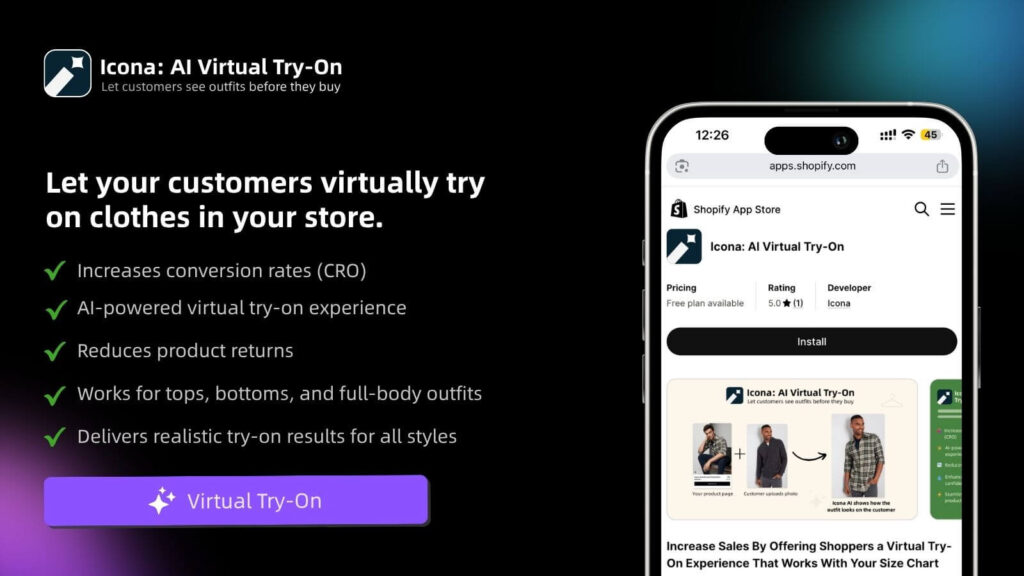
Ready to turn your Shopify store into a conversion machine with social proof that truly connects? Icona adds a virtual try-on button right on your product pages, giving shoppers the ultimate confidence boost by letting them see how clothes look on their own bodies. It’s the best kind of testimonial—your product proving its own value before the purchase.