

We’ve all been there. You see a piece of clothing online and feel that instant magnetic pull. It’s more than just a jacket; it’s the person you want to be when you wear it. A shot of confidence, a nod to your favorite subculture, a way to tell the world who you are without saying a word.
That feeling? That’s the heart of the culture of fashion. It’s not about runway shows in Paris; it’s the silent language we all speak to tell our stories and find our people. And for your Shopify store, understanding this language isn’t just a nice-to-have—it’s everything.
Fashion Is More Than Just Clothes
Forget what you thought you knew about trends. In 2025, fashion culture is a living, breathing conversation happening on TikTok, in niche Discord servers, and through powerful social movements. Your customers aren’t just buying fabric and thread; they’re buying into an identity, a community, and a set of values. Getting this right is the new standard for success.
Understanding the Scale of Fashion Culture
The fashion industry is a behemoth, a global economic force valued at around $1.84 trillion. It employs roughly 430 million people worldwide—that’s a huge chunk of the global workforce. You can discover more insights about the fashion industry’s vast reach.
What this massive scale means is that tiny cultural shifts create tidal waves of change. A single viral TikTok video or a growing demand for sustainability can completely rewrite what people want to buy, almost overnight.
Your brand isn’t just selling products; it’s an active participant in this cultural conversation. The brands that thrive in 2025 and beyond will be the ones that listen, adapt, and contribute authentically.
Why This Matters for Your Shopify Store
When you get the cultural context, you stop thinking in transactions and start building relationships. It’s your chance to create a brand that feels relevant, necessary, and deeply personal.
Tapping into the culture of fashion unlocks some serious opportunities:
- Connect on a human level: You’re no longer just selling a dress. You’re offering a shot of confidence, a sense of belonging, or a badge that represents personal values.
- Build a loyal tribe: People naturally rally around shared aesthetics and beliefs. Your brand can become the gathering place for a community of like-minded individuals who champion what you do.
- Create a future-proof business: By keeping your finger on the pulse of cultural shifts, you can start anticipating trends and leading the conversation, instead of just reacting to what everyone else is doing.
This guide is your playbook for understanding what the ‘culture of fashion’ really means right now. We’ll break down how to align your brand with the currents that matter most to your audience. Let’s dive in.
The Four Pillars Driving the Culture of Fashion
To really get the culture of fashion, you have to understand the forces shaping it from the inside out. I like to think of it as a four-legged stool—if one leg is wobbly, the whole thing feels unstable. In 2025, those four legs are Identity, Community, Sustainability, and Technology.
These aren’t just industry buzzwords. They’re the real, human drivers behind why your customers click “add to cart.” Nailing how they work together is the first step toward building a brand that feels essential, not just optional.
Pillar 1: Identity and Self-Expression
At its very heart, fashion is a language. Before we ever say a word, our clothes have already introduced us. Today, that introduction is more personal and powerful than ever.
Shoppers, especially younger generations, see their wardrobe as a canvas for who they are. They’re piecing together outfits that broadcast their personality, their values, and even their mood on any given day. This isn’t about blindly following a single, top-down trend anymore; it’s about crafting a unique personal story.
For your Shopify brand, this means your products are more than just items—they’re ingredients for someone’s identity. That vintage-style jacket isn’t just outerwear; it’s a nod to nostalgia. That minimalist dress isn’t just clothing; it’s a quiet statement of confidence.
The takeaway: Your customers aren’t just asking, “What does this look like?” They’re asking, “What does this say about me?”
This chart visualizes how the journey starts with individual identity and blossoms into a powerful form of social connection.
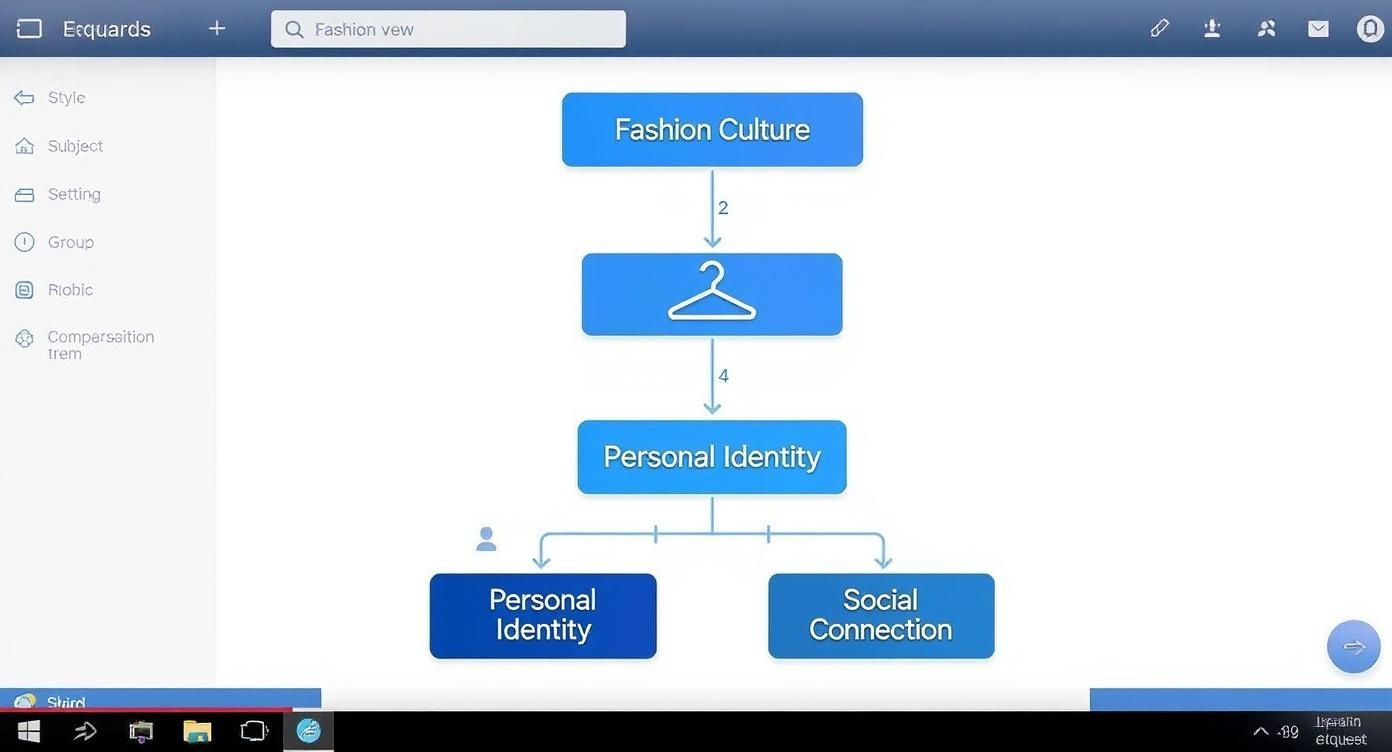
Ultimately, what we choose to wear is a deeply personal act that signals who we are and which groups we feel we belong to.
Pillar 2: Community and Digital Tribes
Fashion has always been tribal, but the internet gave those tribes a global stage. From the dreamy fields of #cottagecore to the rugged trails of #gorpcore, digital communities now spring up around shared styles and deeply held values.
These communities are the new tastemakers. A trend can ignite within a niche TikTok group and hit the mainstream in a matter of weeks, all without the blessing of a traditional fashion editor. People simply trust creators and peers within their digital circles far more than they trust a billboard ad.
Your brand doesn’t just need customers; it needs to find its community. That means you need to:
- Identify your tribe: Who are the people who truly share your brand’s aesthetic and core values? Where do they hang out online?
- Speak their language: Engage with them using the references, humor, and visual styles they already know and love.
- Add value, not just sell: Share content that inspires, educates, or entertains. Position your brand as a core member of the group, not an outsider looking in.
Pillar 3: Sustainability and Conscious Choices
What was once a niche concern is now a non-negotiable for millions of shoppers. They’re asking tough, important questions about where their clothes come from, what they’re made of, and who made them.
A simple “eco-friendly” tag just doesn’t cut it anymore. Today’s consumers are smart, savvy, and quick to call out “greenwashing.” They want to put their money behind brands that are genuinely committed to ethical practices, from sourcing raw materials to reducing post-consumer waste. Just look at brands like Patagonia, which have built empires by making their principles their best marketing tool.
This shift is a massive opportunity to build real trust. Being honest about your sustainability journey—even the imperfect parts—can create a much deeper, more loyal connection with your audience than any discount code ever could.
Pillar 4: Technology and New Experiences
Finally, technology is the engine supercharging the other three pillars. It’s how we discover new identities, connect with our communities, and learn about a brand’s sustainable practices.
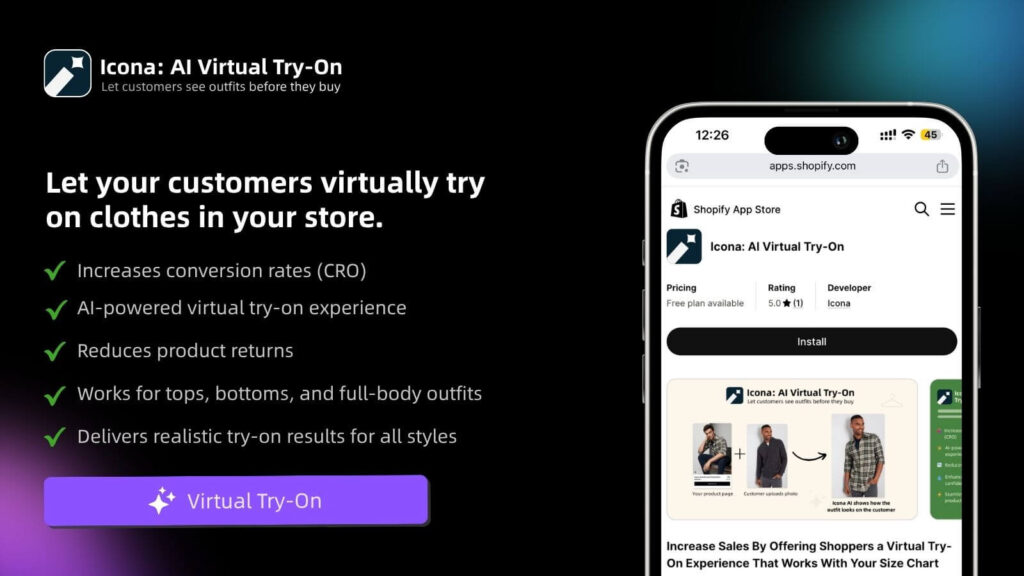
Tech isn’t just about having a slick website anymore. It’s about creating better, more human-centric shopping experiences. AI-powered tools can offer personalized recommendations that feel like advice from a trusted friend. And virtual try-on solutions, like our own TryIcona, give shoppers the confidence to explore new styles from their living rooms, finally bridging the gap between online browsing and real-world satisfaction.
Technology allows you to meet your customers where they are, offering them experiences that feel seamless, personal, and genuinely engaging.
Here’s a quick look at how these four pillars come together to influence both shoppers and the brands that serve them.
The Four Pillars of Modern Fashion Culture
A summary of the key cultural drivers shaping consumer behavior and brand strategy in the fashion industry.
| Pillar | What It Means for Consumers | What It Means for Shopify Brands |
|---|---|---|
| Identity & Self-Expression | “My clothes are a reflection of who I am and what I believe in.” | Frame products as tools for personal storytelling, not just garments. |
| Community & Digital Tribes | “I connect with people who share my style and values online.” | Find your niche community and become an authentic, valuable member. |
| Sustainability & Conscious Choices | “I want to know the story behind my clothes and feel good about my purchase.” | Build trust through transparent, ethical practices and honest communication. |
| Technology & New Experiences | “I expect a seamless, personalized, and engaging shopping journey.” | Use tech like VTO and AI to enhance confidence and create memorable experiences. |
In short, each pillar builds on the others. A brand that understands this interconnectedness is one that’s built to last.
How Digital Subcultures Redefined Style
Remember when a handful of glossy magazines decided what was ‘in’? Those days feel like ancient history now. The internet didn’t just change the rules of fashion—it lit the entire rulebook on fire.
Social media, in particular, caused a seismic shift that completely rewired the culture of fashion. Platforms like TikTok and Instagram have become the new runways, where trends bubble up from viral moments and niche aesthetics, not from top-down seasonal collections. This is a massive decentralization of power.
Suddenly, individual creators and tiny online communities can have just as much sway as the legacy fashion houses. For your brand, this is both a daunting challenge and a massive opportunity. It’s your invitation to stop broadcasting and start being part of the conversation.
The Rise of the Niche Aesthetic
In the past, style tribes were defined by geography—think of the punks in London or the Harajuku scene in Tokyo. Today, they’re defined by hashtags. These digital subcultures, or “aesthetics,” are communities built around a shared visual language and a common set of values.
These online tribes form in the blink of an eye and have a huge impact on how people shop. A customer who identifies with the #cottagecore aesthetic isn’t just buying a floral dress; they’re buying into a fantasy of a rustic, peaceful life. Someone into #gorpcore isn’t just picking up a technical jacket; they’re signaling a love for the outdoors and utilitarian style.
Understanding these digital movements is everything. It’s how you find your people.
The Big Insight: Your ideal customer isn’t just a demographic. They’re part of a digital tribe with its own language, heroes, and visual codes. Your job is to learn that language and speak it fluently.
From Trend Cycles to Trend Ecosystems
That old, predictable fashion cycle—spring/summer, fall/winter—is a relic. We now live in a constant, churning trend ecosystem that’s fueled by the internet. A forgotten style from the early 2000s can resurface on TikTok and become a global phenomenon in a week.
This new pace can feel chaotic, but it also creates room for more diverse and interesting styles to thrive all at once. It’s not about one single look being “in,” but dozens of micro-trends coexisting.
This dynamic is supercharged by the sheer scale of online retail. By 2025, online fashion sales are projected to hit a staggering $1.2 trillion globally, with e-commerce expected to make up nearly half of all fashion retail sales worldwide. As more and more shopping moves online, the influence of these digital subcultures will only get stronger. You can explore more data on the future of fashion e-commerce here.
How to Engage Without Being Cringey
So, how do you tap into these communities without looking like you’re just trying to cash in? It all comes down to authenticity and respect.
Listen First, Post Later: Before you even think about creating content, immerse yourself in the communities you want to reach. What creators do they follow? What inside jokes are they sharing? What do they truly value? This is your real market research
Collaborate with Micro-Influencers: Forget the mega-celebrities for a moment. Partner with creators who are genuine, respected members of a niche community. Their endorsement feels like a recommendation from a trusted friend, not a clunky sponsored ad.
Use Technology to Build Confidence: One of the biggest hurdles in online fashion is the fact that you can’t try things on. This is where tech can actually build a human connection. By adding tools that let customers see how an item might fit their unique body, you empower them to experiment with new looks confidently. Understanding how virtual try-on technology bridges this gap is a game-changer for brands looking to connect with a digitally-native audience.
Tuning into digital subcultures isn’t about chasing every fleeting trend. It’s about understanding the deeper cultural currents your customers are swimming in. Find your tribe, add real value, and you’ll build a brand that feels less like a store and more like home.
Turning Sustainability Into Your Superpower
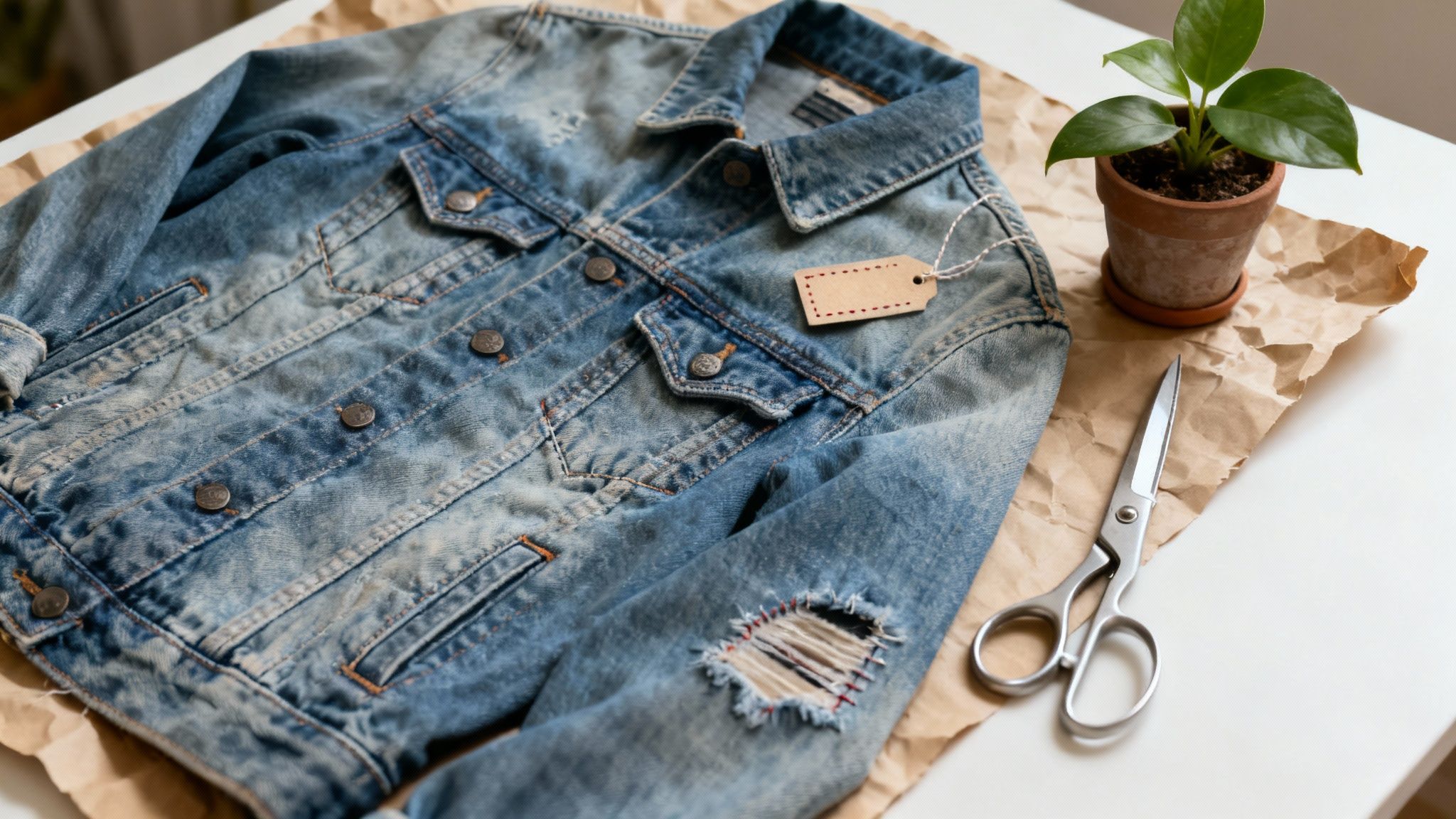
Let’s be honest: sustainability isn’t just a nice-to-have anymore. It’s a core expectation woven deep into the fabric of fashion culture. Today’s shoppers, especially the savvy Gen Z and Millennial crowd, are looking right past the vague promises. They want the real story.
A generic ‘eco-friendly’ tag slapped on your product page isn’t going to fly in 2025. People are digging deeper. They’re asking the hard questions: Where did this fabric really come from? Who made this garment? What happens to it when I’m done with it?
This isn’t about achieving perfection overnight. It’s about being honest, intentional, and real. It’s your opportunity to weave sustainability into your brand’s DNA so authentically that it becomes your greatest strength.
Beyond Buzzwords to Real Action
This shift in thinking isn’t just a fleeting trend—it’s a massive market movement. The global sustainable fashion market is projected to skyrocket from an estimated $12.46 billion in 2025 to $53.37 billion by 2032. That explosive growth is proof that customers are voting with their wallets for brands that genuinely care about their impact.
This is an incredible moment to build a brand that people don’t just buy from, but fiercely believe in. So, how do you get there?
Here are three powerful ways to build your sustainability strategy:
Radical Transparency: This means pulling back the curtain on your supply chain and sharing the whole story, warts and all. Talk about the factory you partner with. Show behind-the-scenes videos of your materials being sourced. If you’re working to improve an area, be upfront about it! Brands like Allbirds built a cult following by being obsessively transparent about the carbon footprint of every single shoe.
Mindful Materials: The materials you choose are a direct reflection of your values. Start exploring alternatives to conventional fabrics. This could mean sourcing organic cotton, using recycled polyester, or even experimenting with innovative materials like Tencel or Piñatex (pineapple leather). You don’t have to change everything at once; start small with a capsule collection and tell the story behind your choice.
Embracing Circularity: The old “take-make-waste” model is on its way out. The future is circular, and it’s all about extending the life of your products. Think about offering a repair program, like Patagonia famously does. You could also launch a resale or take-back program, giving your garments a second life and building a lasting relationship with your customers.
The goal isn’t to claim you’ve “solved” sustainability. It’s to show you’re on a journey and invite your customers to join you. Honesty, even about your imperfections, builds far more trust than empty greenwashing ever will.
Communicating Your Commitment
How you talk about your sustainability efforts is just as important as the work itself. Ditch the corporate jargon and speak from the heart.
Your product pages are the perfect stage. Instead of just listing specs, tell a compelling story.
- Instead of: “Made from recycled materials.”
- Try: “This jacket started its life as 15 plastic bottles, saved from our oceans and woven into a fabric that’s as durable as it is beautiful.”
See the difference? That kind of narrative transforms a simple product feature into a powerful statement your customers can feel proud to wear.
Technology can also be a powerful ally. While sustainability focuses on the physical world, smart tech can help reduce waste in the digital one. Returns, for instance, are a massive source of carbon emissions and landfill waste. By offering a virtual fitting room, you give customers the power to see how a garment will actually look on their body, helping them nail the right size the first time. This not only boosts their confidence but directly cuts down on wasteful returns.
As shoppers become more eco-conscious, making these principles part of your brand is no longer a choice. For more inspiration, check out guides on embracing sustainability in ecommerce that offer practical strategies for brands of all sizes. By turning your commitment into a core part of your story, you build a brand that doesn’t just sell clothes—it stands for something that truly matters.
Using Tech to Create a Human Connection
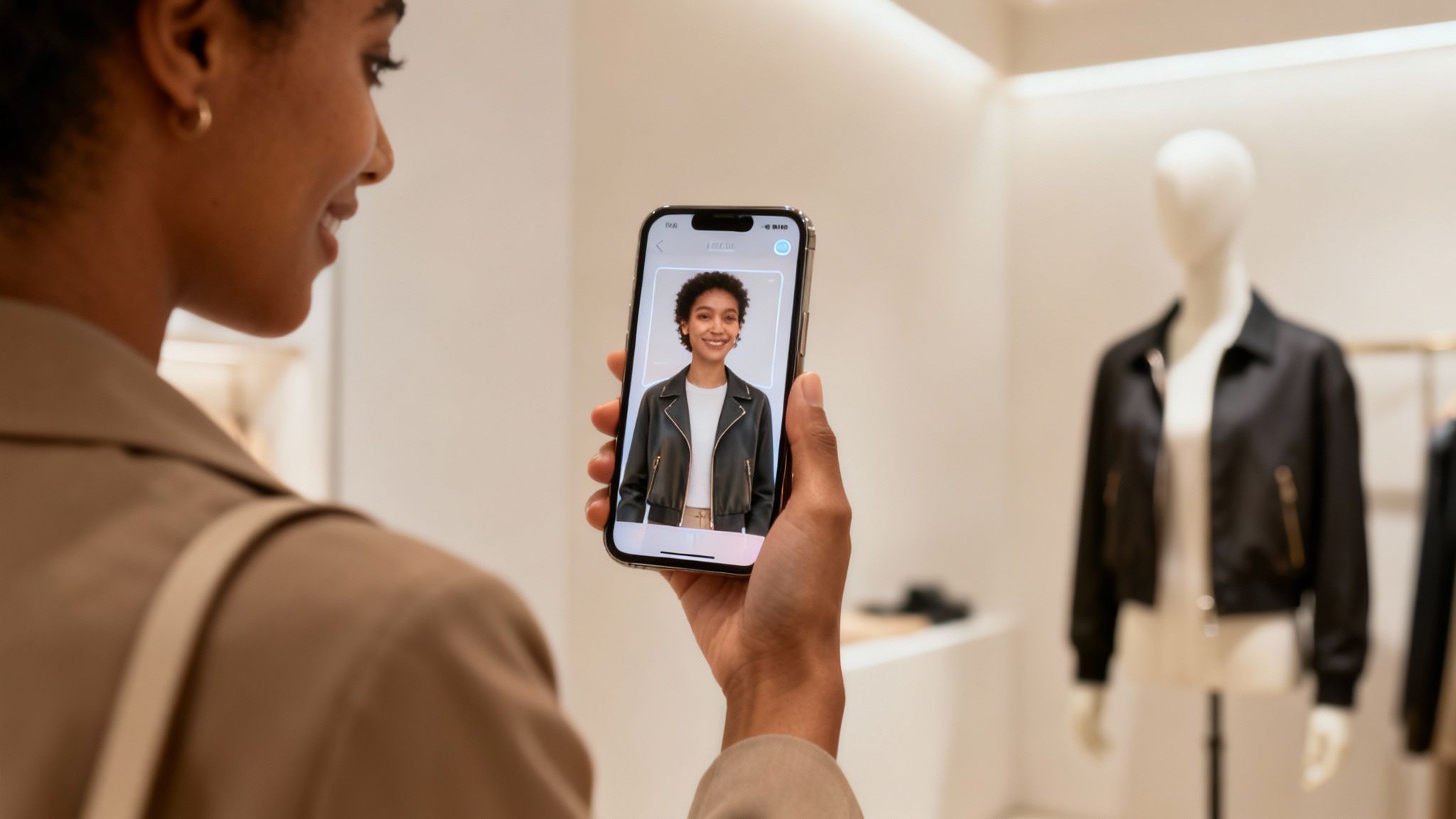
In the modern culture of fashion, it’s easy to think of technology as cold and robotic. We immediately picture algorithms and data points, not the warmth and intuition of a fantastic shopping experience. But what if we flipped that script entirely?
What if technology wasn’t a barrier, but a bridge to a more human, more empathetic connection with your customers?
That’s precisely where the magic is happening in 2025. The smartest brands aren’t just using tech to be more efficient; they’re using it to listen, to understand, and to build genuine trust. It’s the tool that can connect your brand’s unique story directly to your customer’s personal identity, making online shopping feel less like a transaction and more like a conversation.
AI as Your Personal Stylist
Imagine an online store that actually gets your customer. A store that doesn’t just push what’s popular, but recommends pieces that genuinely resonate with their personal style, their past purchases, and even their future aspirations. This is the promise of AI-powered personalization, and it’s an absolute game-changer.
Instead of a generic, one-size-fits-all homepage, AI can curate a unique storefront for every single visitor. It can act like a trusted personal stylist, suggesting a floral dress to the shopper who loves #cottagecore or a sleek technical jacket to the one who’s been deep-diving #gorpcore trends. That deep level of personalization makes people feel seen and understood, which is the bedrock of real loyalty.
This is so much more than just tracking sales data. It’s about using that data to understand the cultural currents your audience is swimming in, which helps you make smarter, more empathetic decisions for your brand.
Building Confidence with Virtual Try-On
One of the biggest emotional hurdles in online fashion is that nagging, universal question: “But will it actually look good on me?” That single moment of doubt kills countless sales and leads to a mountain of frustrating, wasteful returns.
This is where technology can offer a profoundly human solution. Virtual try-on (VTO) technology does more than just display a product; it gives customers the power to experiment with total confidence. It closes that intimidating gap between seeing a piece on a model and truly imagining it in their own life.
When a customer can see how a new silhouette or a bold color looks on their own body, you’re not just selling them a piece of clothing—you’re giving them permission to explore their identity without risk.
A tool like TryIcona, for instance, is designed to create that exact moment of certainty. By placing a simple try-on button on your product pages, you can transform a moment of hesitation into an experience of confident discovery. This isn’t just about cutting down on return rates (though it absolutely does that). It’s about fostering a deeper, more trusting relationship by giving your customers the power to make choices that make them feel amazing.
Using Tech to Foster Empathy
Ultimately, the goal is to make your technology feel invisible, leaving only the human connection behind. Every tool you bring into your ecosystem should serve one core purpose: to make your customer’s journey easier, more personal, and more inspiring.
Here are a few ways to start thinking about tech with an empathy-first mindset:
Listen to Data with Heart: Look beyond the raw numbers. What are your analytics really telling you about your customers’ desires and pain points? Use those insights to improve your product descriptions, your sizing guides, and your entire shopping experience.
Make It Effortless: The best tech integrations are the ones customers don’t even have to think about. Whether it’s a buttery-smooth checkout or a one-click virtual try-on, your mission should be to remove friction and add delight.
Personalize Beyond Products: Use what you know to create more relevant content and stories. If a customer consistently buys from your sustainable line, send them a behind-the-scenes look at your sourcing process. There are so many incredible ecommerce personalization tools out there that can help you tailor every single touchpoint.
Technology isn’t the opposite of human connection—it’s one of the most powerful ways to create it at scale. By wielding it with empathy, you can build a brand that feels less like a website and more like a trusted friend.
From Cultural Insight to Brand Action
We’ve journeyed through the new world of fashion culture—from the raw power of identity and community to the massive waves of change brought by tech and sustainability. Now, it’s time to shift gears. It’s time to stop just watching and start doing.
This isn’t about frantically chasing every micro-trend that flickers across your TikTok feed. It’s about building a brand that truly understands the cultural conversation, speaks authentically, and connects with the people you’re here to serve.
If you remember one thing, let it be this: your brand is an active participant in culture, not just a passive seller of goods. Every product you list, every email you send, every post you share—it all adds to the conversation. So, the real question is, are you shaping that conversation with purpose?
Your First Steps Toward Cultural Fluency
Making this leap can feel huge, but the first steps are simpler than you think. It all starts with a mental shift: from broadcasting at people to listening to them.
Begin by immersing yourself in the digital spaces where your customers actually live. Spend time there to observe and learn, not just to sell. And be radically transparent. Share your brand’s values and your journey, even the parts that aren’t perfectly polished yet.
To make sure these cultural insights actually drive growth, you need to be seen. Understanding and implementing winning SEO strategies for fashion brands is how you get your message in front of the right people.
Finally, think of technology as a bridge, not a barrier. Use it to create shopping experiences that feel more personal, more confident, and more human. Whether it’s through smart personalization or virtual try-on, technology should always serve the connection, not the other way around.
Your Challenge: Pick one of the cultural pillars we’ve covered—Identity, Community, Sustainability, or Technology. Now, find one meaningful, tangible way you can strengthen that pillar within your brand this quarter.
That’s it. One small, intentional step. That’s how you build a brand people don’t just buy from, but truly believe in.
Your Questions, Answered
Let’s be real—trying to wrap your head around the massive, ever-changing world of fashion culture can feel overwhelming. So, let’s break down some of the most common questions we hear from Shopify merchants who are ready to connect their brand to these powerful ideas.
What Exactly Is the “Culture of Fashion,” and Why Should I Care?
Think of the culture of fashion as the unspoken language of clothing. It’s the collection of shared beliefs, styles, and habits that tell us what an outfit means. It’s the story behind why someone picks a vintage band tee over a crisp button-down—it’s all about crafting an identity and finding your people.
Why does this matter for your store? Because customers today aren’t just buying a product; they’re buying into a feeling, a community, a story. When you tap into the cultural waves your audience is already riding, you stop just selling clothes. You start building a tribe and creating marketing that resonates on a much deeper, more human level.
How Can My Small Brand Possibly Keep Up with All These Trends?
Here’s the secret: don’t even try. Chasing every single micro-trend is a recipe for burnout and a brand that feels inauthentic.
Instead, focus on “social listening” within your specific niche. Get really good at observing the spaces where your ideal customers hang out online, like TikTok and Instagram. What aesthetics are they building? Which creators do they trust? What conversations are they passionate about? The goal isn’t just to mimic a popular look, but to truly understand the values behind it. It’s always better to genuinely resonate with one subculture that aligns with your brand’s soul than to chase them all.
I Want to Be More Sustainable. What Are the First Practical Steps?
You don’t need to reinvent your entire supply chain overnight. The key is to start with small, honest steps that you can share with your customers.
- Start with Transparency: The first, most powerful step is simply being open. Use your product pages to share where your materials are sourced. Honesty builds a foundation of trust that is priceless.
- Rethink Your Packaging: Can you switch to recycled or compostable mailers? This is a relatively easy win that shows your customers you care about the entire journey of their purchase.
- Champion Quality: Frame your brand around creating high-quality, durable pieces that are made to be loved for years, not just a season. This mindset shifts the focus toward mindful consumption.
- Launch a Pilot Collection: Try introducing a small, focused collection made with materials like organic cotton or recycled polyester. This lets you experiment and, more importantly, bring your customers along on your learning journey.
Remember, being open about your sustainability progress—even when it’s imperfect—is far more powerful than pretending to have all the answers. It shows you’re in it for the right reasons.
Ready to close that gap between seeing and believing? TryIcona adds a simple virtual try-on button to your product pages, letting shoppers see how your clothes fit their body. It’s that boost of confidence they need to finally hit “add to cart.”